September is Alzheimer’s Awareness Month, an opportunity to increase understanding of dementia, reduce stigma, and encourage people to seek support if they have concerns about memory or cognitive changes.
Dementia affects thousands of New Zealanders and their families. While the risk of developing dementia increases with age, it is important to remember that dementia is not a normal part of ageing.
The good news is that research has shown that many risk factors associated with dementia can be influenced by the choices we make and the health conditions we manage throughout our lives.
Understanding Dementia Dementia is an umbrella term used to describe a group of symptoms that affect memory, thinking, reasoning, communication, and the ability to perform everyday activities. Alzheimer's disease is the most common form of dementia, although there are several different types.
Symptoms often develop gradually and can vary from person to person.
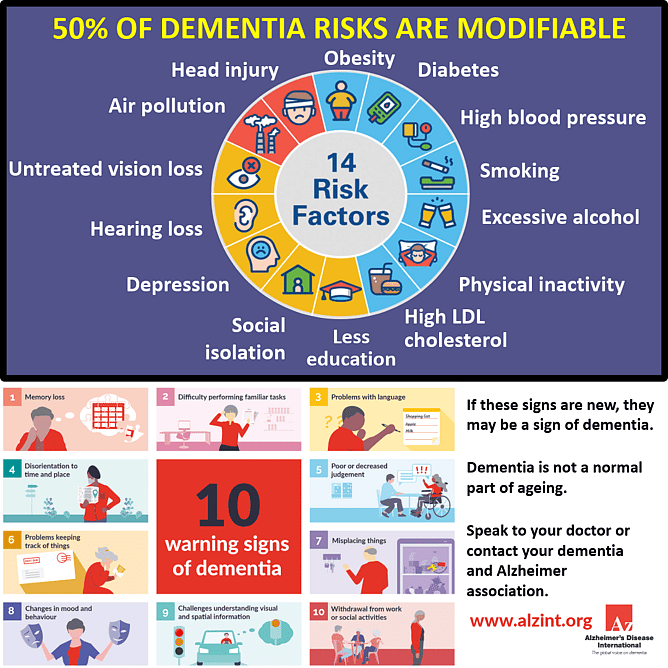
Up to 50% of Dementia Risk Factors May Be Modifiable
Current research suggests that up to half of dementia risk factors may be modified through lifestyle changes and appropriate management of health conditions.
Some of the key risk factors include:
High blood pressure
Diabetes
Obesity
High cholesterol
Smoking
Excessive alcohol consumption
Physical inactivity
Hearing loss
Untreated vision loss
Depression
Social isolation
Head injury
Air pollution
Lower levels of education
While not all risk factors can be eliminated, taking positive steps to look after your physical and mental wellbeing may help reduce your overall risk.
Supporting Your Brain Health
There are many practical ways to support brain health throughout life:
Stay Physically Active - Regular exercise supports heart health, improves blood flow to the brain, and contributes to overall wellbeing.
Manage Health Conditions - Working with your healthcare team to manage blood pressure, cholesterol, diabetes, and other long-term conditions can help protect both heart and brain health.
Stay Connected - Strong social connections and meaningful activities can help support mental wellbeing and cognitive health.
Protect Your Hearing and Vision - Regular hearing and vision checks can help identify problems early and reduce the impact that sensory loss may have on daily life.
Eat Well - A balanced diet rich in vegetables, fruit, whole grains, and healthy fats supports overall health and may benefit brain function.
Challenge Your Mind - Learning new skills, reading, puzzles, hobbies, and lifelong learning can help keep your brain engaged.
Know the Early Warning Signs - Early diagnosis can make a significant difference by allowing individuals and their families to access support, plan ahead, and manage symptoms effectively.
Some of the warning signs that may indicate dementia include:
Memory loss that affects daily life
Difficulty performing familiar tasks
Problems with language or communication
Disorientation to time or place
Poor or decreased judgement
Problems keeping track of things
Frequently misplacing items
Changes in mood or behaviour
Difficulty understanding visual or spatial information
Withdrawal from work, hobbies, or social activities
Experiencing one or more of these symptoms does not necessarily mean a person has dementia. However, if these changes are new, worsening, or affecting everyday life, it is important to seek medical advice.
When Should You Talk to Your Doctor?
If you, a family member, or a friend are concerned about memory changes or cognitive decline, we encourage you to have a conversation with your GP.
Early assessment can help identify possible causes and ensure that appropriate support and treatment options are explored.
How Dee Street Medical Centre Can Help
At Dee Street Medical Centre, we understand that concerns about memory and cognitive health can feel overwhelming. Our team is here to listen, assess your concerns, and provide guidance, support, and referrals where needed.
Alzheimer’s Awareness Month reminds us that maintaining brain health is important at every stage of life. Small changes made today can have lasting benefits for the future.
If you have concerns about your memory or would like to discuss dementia risk factors, please contact Dee Street Medical Centre to book an appointment with one of our healthcare professionals.